
3 Keys to Troubleshooting Welding Problems
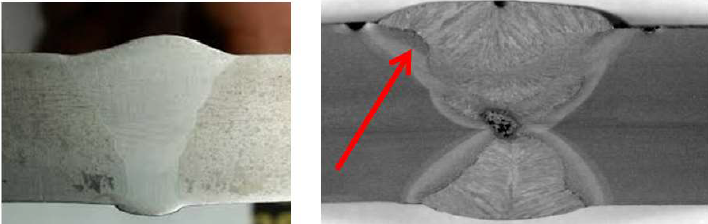
Troubleshooting of welds and other welding problems increases costs in welding, causes delays and affects weld quality. Even a moderate understanding of welding problems, their symptoms, causes and potential solutions can help tremendously. The more informed you are the better. To successfully troubleshoot and fix welding discontinuities, welding defects and other welding problems we need […]
Can Pulse Really Solve All Your Welding Problems?
Competition amongst manufacturers of welding machines is a wonderful thing. Companies like Miller, Fronius, OTC, Lincoln Electric, and many others are continuously improving their equipment, making it more user-friendly and at a lower cost. We as users benefit from this. However, this has brought about a big problem. And that is the belief that we […]
AWS D1.1 Prequalified Welding Procedures
Prequalified welding procedures must adhere to the strict requiremnts of the welding codes which permit their use. AWS D1.1 Structural Welding Code (Steel) is one that allows their use. Prequalified WPSs are exempt from testing becasue there is reasonable assurance that as long as all the requirements are met the deposited weld will be sound […]
9 Maintenance Problems that Cause Bad Welds

Maintenance-related problems are responsible for a large portion of bad welds in every day welding. However, these causes go unnoticed and unresolved because they happen slowly over time. A proper preventive maintenance program for welding machines, CNC cutting tables and other industrial equipment is absolutely necessary. Many of the problems related to maintenance that cause […]
7 Reasons to Consider Stick Welding Over Other Processes

Shielded metal arc welding (SMAW), or what is commonly referred to as “stick welding,” is one of the oldest welding processes. Despite being one of the first welding processes developed, it remains one of the most used welding process worldwide. If you have been working in a fabrication shop for years using advanced GMAW (mig) […]
3 Reasons Why You Need to Make Smaller Welds
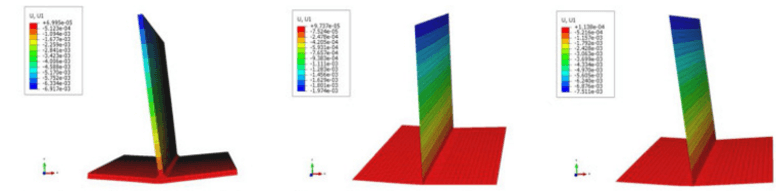
Bigger is not always better, at least not in welding. Making welds bigger than they need to be is not only wasteful and costly, but can cause other problems such as distortion and premature failure. Below are 3 reasons why you may need to pay close attention to your weld sizes. 1. Bigger welds cost […]
The Importance of the Heat Affected Zone (HAZ)

When we weld we generate enough heat in the welding arc to melt the filler metal and base material. Or just the base material is we are welding autogenously (as in GTAW without filler). The edges of the base material melt and combine with the filler metal to create what is called the composite zone. […]
Inspection Before, During and After Welding is Critical

Weld inspection should not just take place after welding. Inspection before and during welding is critical. But what can you inspect if welding has not been performed? Take a look at the checklists below for pre, during and post weld inspection. Most of these items fall under the responsibility of the welding inspector, but any party involved […]
5 MORE Questions You Should Know for the CWI Exam
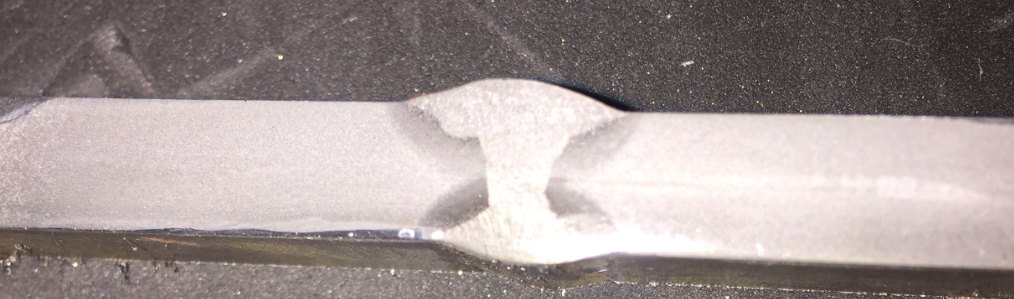
Today we’ll cover 5 more very important concepts that are governed by the AWS D1.1 Structural Welding Code (Steel). If you missed our last post with the first five questions simply click here. These concepts can show up as questions in the Certified Welding Inspector (CWI) Exam. As stated in our article from last week, […]
5 Questions and Answers You Must Know for the CWI Exam

If you have taken or hope to take the CWI exam you probably have searched for some practice exam questions. In practicing for the code book portion of the test you may have come across a few questions for which you could find the answer, but didn’t really understand the importance of the question or […]