
5 Welding Engineering Topics Every Welder Should Understand
In many fabrication shops, welding engineering is viewed as something that only matters to welding engineers. The assumption is that welders should focus on making welds, inspectors should focus on acceptance criteria, and engineers should handle the technical details behind the scenes. In reality, some of the biggest quality, productivity, and rework problems in fabrication […]
7 Tests to Qualify Welding Procedures

The qualification of welding procedures is one of the most important steps in ensuring weld quality. A welding procedure may look good on paper, but unless it has been tested—or developed within the limits of an accepted prequalified procedure—there is no assurance that it can consistently produce sound welds. As discussed throughout this series, welding […]
Flux-Cored vs. MIG Wire: What Most Shops Get Wrong
Most fabrication shops don’t struggle with welding because they lack capability. They struggle because of the decisions they make every day—especially when those decisions are based on habit rather than engineering and economics. One of the most common examples is electrode selection. Many shops default to using flux-cored wire for everything, assuming it provides the […]
What To Do When Welding Codes Are Not Clear
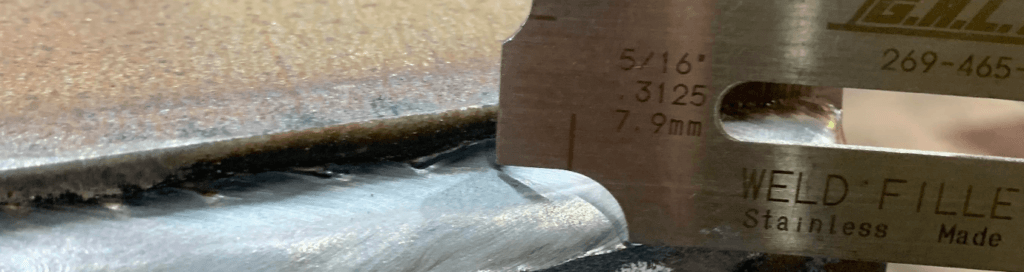
If you are a Certified Welding Inspector (CWI), welding engineer, or anyone responsible for interpreting welding codes, you have likely encountered situations where the code language is not completely clear. Many of the questions we receive from readers are related to interpreting welding codes and standards such as AWS D1.1 Structural Welding Code – Steel. […]
5 Mistakes Made by New Welding Supervisors
Taking responsibility for welding operations is a significant step in any welding professional’s career. This role might fall to a new welding supervisor, but it can just as easily be a welding engineer, certified welding inspector (CWI), operations manager, or even a plant manager. Regardless of the title, the responsibility is the same—you are now […]
How to Reduce Welding Labor Cost in Fabrication Shops
In most fabrication businesses, welding labor is the single largest controllable cost. Yet in many shops, welding labor is not actively managed, it is absorbed. When margins tighten, management looks at material pricing, overhead, or scheduling. Rarely is welding itself analyzed as a controllable engineering variable. But welding labor cost is not fixed. It is […]
Why Most Welding Problems Are Engineering Problems
Most welding problems are not caused by poor welding technique. They are caused by engineering decisions. When welds fail inspection, when porosity continues to appear, when distortion slows production, or when rework becomes routine, the immediate assumption is often the same: the welder made a mistake. But in most fabrication environments, recurring welding defects are […]
How Welding Codes Are Misunderstood In Fabrication Shops
Most welding professionals are familiar with the major structural welding codes, such as AWS D1.1 Structural Welding Code – Steel and AWS D1.6 Structural Welding Code – Stainless Steel. These documents are referenced in contract specifications, discussed during audits, and cited when problems arise. Yet in day-to-day fabrication, welding codes are often misunderstood—not because they […]
How to Build a Practical Welding Quality System
Many fabrication shops understand that welding quality depends on more than inspection. They recognize the importance of procedures, welder qualification, and documentation. Yet when the topic of a formal welding quality system comes up, the reaction is often hesitation. Some assume a quality system means excessive paperwork, complicated manuals, and processes that slow production rather […]
Why Rework, Repair, and Reject Rates Are the Best Welding Quality Metrics
Many fabrication shops measure welding quality by looking at inspection pass rates. If most welds pass inspection, the assumption is that quality is under control. When problems appear—missed delivery dates, cost overruns, or customer complaints—they are often treated as isolated events rather than symptoms of a larger issue. In reality, inspection pass rates alone rarely […]