

Subscribe to get our latest content by email.
Rework and scrap are silent killers in fabrication shops. You don’t always see them on the balance sheet, but they eat away at profits every single day.
A weld that needs to be ground out and repaired costs you more than just filler metal. There’s labor, lost production time, wasted shielding gas, rescheduling headaches, and—worst of all—damage to your customer’s confidence.
The good news is that most rework and scrap are preventable. And the shops that control them consistently run more efficiently and profitably.
It is necessary to first understand the real cost of rework as well as root causes, so we can then look at five proven ways to stop them before they happen.
On the surface, rework looks like “just a little extra time” or “just one more pass.” But when you add it up, the impact is huge. By allowing all of these little nuisances to become part of our typical welding operation we are making a big mistake.
Take a common scenario: an undercut weld defect gets missed during in-process inspection. The part makes it all the way to paint. After coating, the defect is caught during final inspection.
What follows gets extremely costly.
A defect that could have been fixed in five minutes at the weld booth just cost hours of extra work—plus wasted consumables and scheduling delays.
Multiply that by dozens of small defects a month, and you start to see why scrap and rework are among the biggest hidden drains in fabrication shops.

There are many issues in fabrication that cause rework. However, the ones that we see repeated over and over and which are not that hard to solve are listed below.
The truth is, welders often get blamed for bad welds. But in most cases, the real cause is a missing process, unclear instruction, or lack of control upstream. All of this is the responsibility of management.
If any of the above causes of rework and scrap are happening in your shop today, but considered part of the process, you can make some simple changes that will significantly improve your financial results. Here are five steps every fabrication shop can take to cut down rework and scrap.
Welding Procedures are like roadmaps. Without them, welders rely on memory, habit, or guesswork. That’s a recipe for variation.
By providing written, qualified WPSs:
A WPS doesn’t lock welders into a rigid box. Codes like AWS D1.1 allow ranges for key variables. But it ensures everyone is working within proven limits. Proper development of welding procedures is essential. This is typically the responsibility of the welding egineer, but anyone with a sound knowledge of welding processes and the effects of the essential variables can do so. Alternatively, structural welding codes like AWS D1.1 (steel) and AWS D1.6 (stainless steel) permit the use of prequalified welidng procedures for carbon steel and prequalified welding procedures for stainless steel respectively.
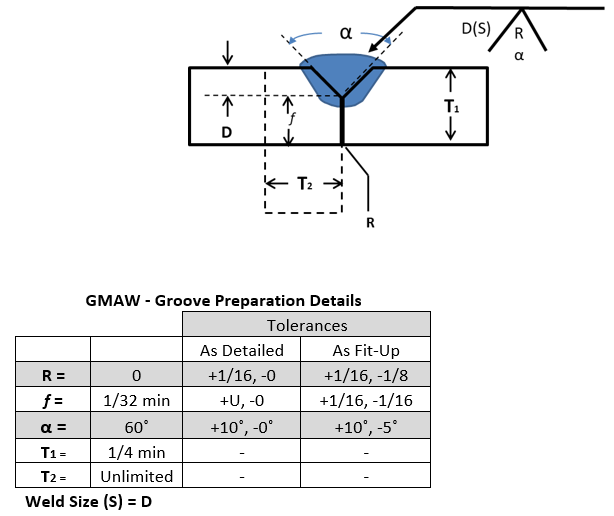
You can’t consistently make a sound weld on a bad joint. Rust, oil, paint, moisture, or poor fit-up all cause defects.
The fix is simple:
Many shops lose hours of production time every week because they skip these basics. Joint prep may feel like “non-value-added work,” but it saves time and money downstream.
Too many shops rely only on final inspection to catch defects. By then, it’s too late.
The first line of defense is the welder themselves. Welders should be trained and expected to:
This may add a few minutes at the weld booth, but it saves hours in rework. Supervisors and inspectors should also spot-check during welding—not just at the end.
Not all welding jobs are the same. A welder with years of experience may still struggle if they’ve never worked with a particular base material, filler metal, or welding process.
Ongoing, targeted training is essential:
When welders understand both the why and the how, defects go down and confidence goes up. Companies that heavily invest in effective welder training programs achieve much higher quality and increase their profitability.
Rejected welds are frustrating, but they’re also valuable. Each one is a chance to learn.
Too often, shops grind out the defect, re-weld it, and move on without asking why it happened. That guarantees the same problem will return.
A better approach is to treat each rejection as a mini “failure analysis.” You don’t need microscopes or lab testing. Just ask:
Documenting and sharing these lessons keeps the same mistakes from being repeated.
Rework and scrap thrive in environments with weak or nonexistent standards. A Welding Quality Standard changes that.
It provides:
Even if you start small, having a documented standard makes your shop look more professional to customers—and dramatically cuts the chances of defects slipping through.
Rework and scrap will never disappear completely. But they don’t need to be a constant drag on your profits.
By tightening up procedures, improving prep, adding in-process checks, targeting training, and learning from every rejected weld, you can slash rework and scrap in your shop.
The key isn’t to fix defects faster—it’s to prevent them in the first place.
Download our Free Welding Quality Checklist → Get it here
This one-page tool helps welders and supervisors catch issues before they turn into costly rework.
Now Available: Welding Quality Standard Template
A ready-to-use framework that satisfies customer documentation requirements and helps fabrication shops reduce rework and scrap.
