

Subscribe to get our latest content by email.
When welds fail, the blame often lands on the welder or the procedure. But there’s a root cause that doesn’t get nearly enough attention: material control.
The truth is, even the best welders, procedures, and inspectors can’t save a project if the wrong materials are used or if consumables are compromised. A single oversight in how materials are received, stored, or issued can ripple through production—causing rework, scrap, and customer dissatisfaction.
Every weld has two critical ingredients: base metals and welding consumables. If either is wrong, damaged, or mishandled, your chances of producing consistent, defect-free welds collapse.
Material control isn’t about adding red tape. It’s about making sure you’re not gambling with quality or profits.
Here are the key steps every fabrication shop should include in their material control system:
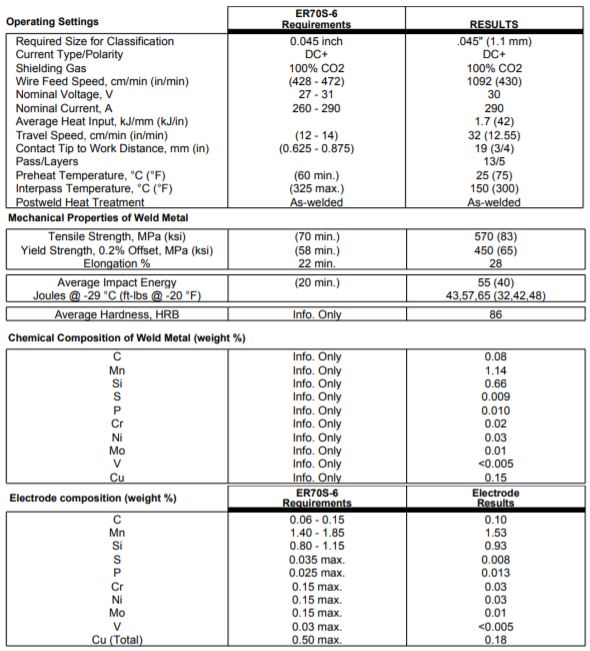
When consumables or base materials arrive, they should be checked against purchase orders and mill test reports. This step catches mis-shipments and ensures materials meet the required specs before they hit the shop floor.
Always verify heat numbers and certifications during receipt. If something doesn’t match, don’t issue it to production. Most manufacturers of filler metals have certificates of conformance available upon request.
How materials are stored often determines whether they perform as intended. Low hydrogen covered electrodes need dry ovens, different filler metals and base metals need segregation, and shielding gases need safe storage.
It is important to label storage areas clearly, keep them organized and assure segregations of materials that may be susceptible to cross contamination.
Materials must be issued on a first-in, first-out (FIFO) basis and tracked meticulously. This prevents expired or compromised consumables from slipping into production and provides a paper trail for customer audits.
Use simple logs to track issuance and returned consumables. You’ll catch patterns in waste and misuse while strengthening accountability.
Even if materials are perfect, poor welding station practices can undo everything. Machines need calibration, work areas need to be clean, and consumables need to be protected until used.
A good practice is to assign a supervisor to check welding stations at the start of each shift. Small corrections here prevent expensive failures later.
Just like consumables, base materials must be inspected, stored, and tracked. Traceability from mill to finished weld is critical for both quality and customer trust.
Clearly tag all cut-offs and leftovers with heat numbers. A small label saves hours of confusion later.
Poor material control doesn’t just create bad welds—it increases costs:
On the flip side, implementing material control doesn’t have to be complicated. Even simple steps—logs, clear labeling, and consistent storage—deliver a massive return on investment by cutting waste and rework.
A Welding Quality Standard formalizes material control so it’s no longer left to chance. It provides documented procedures for:
That means your shop can prove compliance when customers demand it—while also building better welds every day.
Material control isn’t glamorous, but it’s one of the strongest levers you have to improve welding quality, reduce costs, and win customer trust. Without it, even the best welders can’t guarantee results.
A documented quality standard makes it simple.
If you found this article helpful, subscribe to our newsletter and grab any of our free resources.
NOW AVAILABELE: The Welding Quality Standard Template. It’s a complete, editable system that covers material control and much more—helping shops meet documentation requirements while cutting costs in welding operations. Take your quality and your documentation to the next level.
