Blogs

Welding Guide Subscription Form
Welding Guide

Get your FREE guide on what every welding engineer must know

Subscribe to get our latest content by email.

We won't send you spam. Unsubscribe at any time.
Search
How to Establish Welding Quality Standards

How does a fabrication shop determine whether its welds meet the required quality standards? This article examines six common approaches to welding quality control, ranging from informal visual assessments to established welding codes and internally developed standards. It explains the advantages and limitations of each approach and identifies the essential components of an effective welding quality program, including welding procedures, welder qualification, inspection, and acceptance criteria. The article also explores how properly defined standards can reduce rework, improve consistency, and help manufacturers achieve the required weld quality without unnecessary costs.

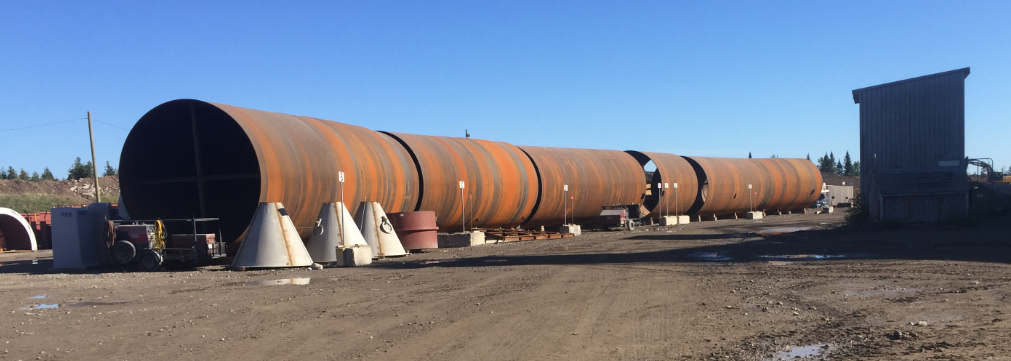
Weld Failures: Why They Happen and How to Prevent Them

Weld failures in the field often expose deeper systemic issues within a company's welding operations, leading to severe consequences like litigation and financial distress. Many companies mistakenly rely on past success as justification for lacking proper quality control, including welding procedure and welder performance qualifications, and robust inspection processes. When failures occur, the absence of crucial documentation complicates failure analysis and almost guarantees liability. This post emphasizes the critical need for proactive measures like developing welding quality standards, qualifying procedures and welders, and implementing stringent inspection processes to prevent catastrophic failures and ensure long-term structural integrity.