
Should Heat Input Always Be Kept As Low As Possible?

Many ‘experts’ in the welding industry talk about high heat input as something that should always be avoided. Unfortunately, this is not good advice. High heat input can be detrimental in many cases, but other times we want to have higher heat input. Heat input is directly related to amperage and voltage and inversely related […]
Control Your Shielding Gas Usage
If you own or run a business in which welding is an integral part of the manufacturing process you know one of your recurrent expenses is your shielding gas. Very few manufacturing facilities, big or small, have excellent control of gas usage. Most end up using twice as much than necessary, and in some cases […]
Calculating Weight of Weld Metal Required

Calculating weld metal requirements seems complicated but for the majority of applications it should not be. Short of having a computer program that calculates this for you, the easiest way is to use the tables found in The Procedure Handbook of Arc Welding. Table 12-1 provides data to calculate weight of weld metal required per […]
6 Misconceptions about Certified Welding Inspectors (CWIs)

Certified Welding Inspectors (CWIs) who have been certified by the American Welding Society or other international bodies tend to be considered experts in the welding industry. They certainly should be experts in visual inspection and in the interpretation and application of welding codes and standards; however, this does not necessarily mean they are experts in […]
14 Welding Procedure Specification Variables
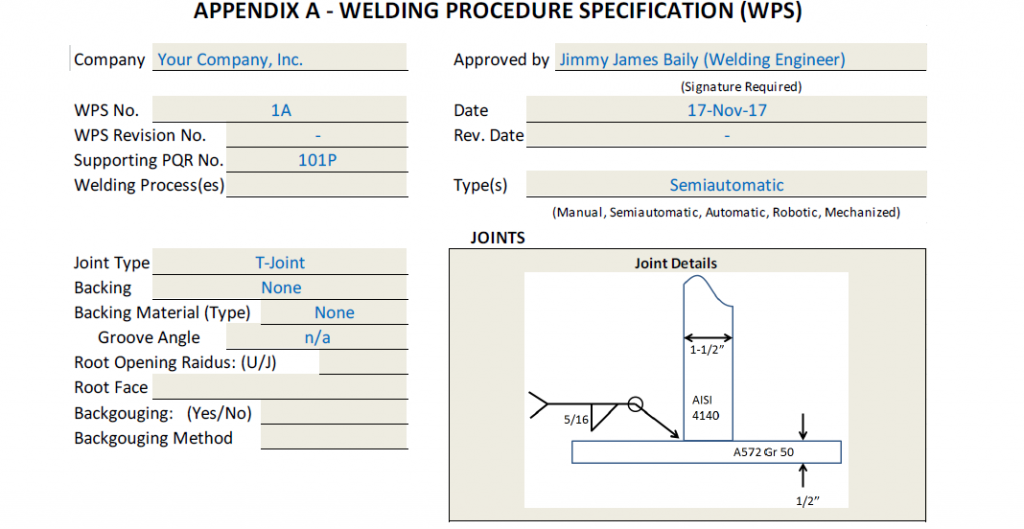
A Welding Procedure Specification has several variables which should be carefully specified. The values selected for the variables discussed below have a significant impact on weld soundness and mechanical properties. It is critical that these values be appropriate for the specific requirements of applicable code and job specifications. Some of the most important variables in […]
Rainbow Colors in Stainless Steel Welding
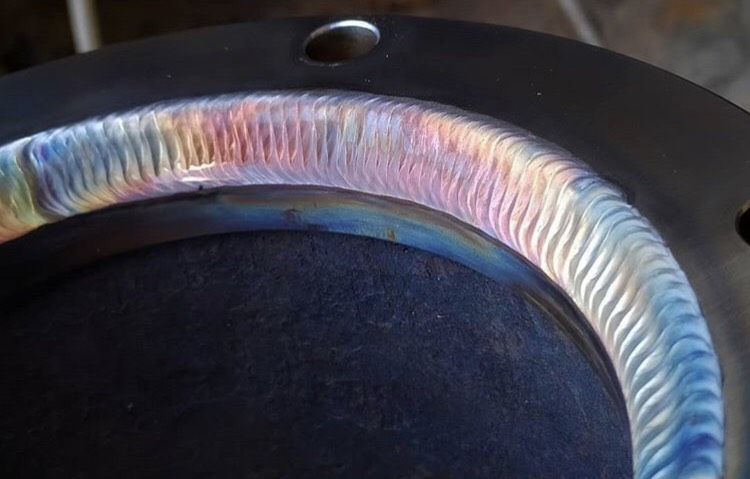
We receive several calls about welding stainless and the beautiful rainbow colors, or lack thereof, on the weld and heat affected zone. Is the tinting an indication of quality? Are these colors acceptable? Do they show that the weld had enough heat to penetrate? Why do they need to be cleaned? The questions are endless. […]
Importance of Macro Etch Testing of Welds
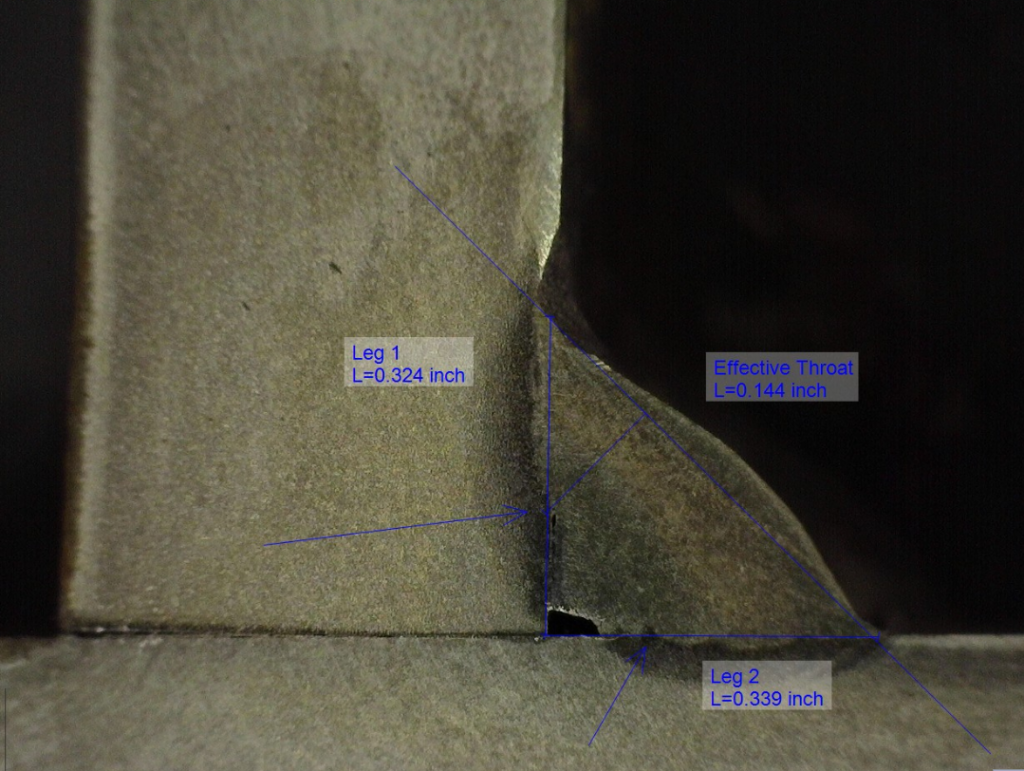
Macro etch tests are commonly done as part of qualification tests for welders and welding procedures. This test is relatively easy to do and does not require complex or expensive equipment. However, very few fabricators ever perform this test. A macro etch test can serve as verification that a change on how something is welded […]
Understanding Why Your Welds Crack – Part 3
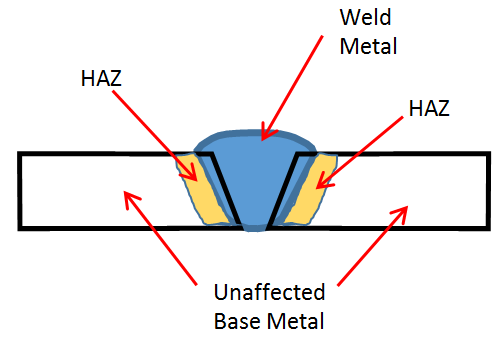
In our previous two articles we talked about categorizing cracks based on when they occur and in which direction they propagate. Today on our third and final article on understanding why your welds crack we look at the importance of location. If you want to review or if you missed our previous two articles simply […]
Understanding Why Your Welds Crack – Part 2
In our previous post we discussed categorizing cracks based on when they occur. If you missed this you can read it at Understanding Why Welds Crack: Timing. As discussed in this previous article, cracks can and should be categorized based on three criteria: Timing – did the crack occur immediately after welding (hot crack), did […]
Understanding Why Your Welds Crack – Part I
Cracks are perhaps the only discontinuity for which there is no allowance. Most codes require that cracks be repaired. Crosscheck cracks on some hardfacing applications may be OK, but in general, if a weld cracks it’s a big problem. This problem is time consuming and costly in most cases. When you get a crack you don’t […]